A Passion for Innovation
Combining deep industry expertise and a determination to overcome persistent industry challenges, the Dri-sump team delivers breakthroughs that make things better.
Combining deep industry expertise and a determination to overcome persistent industry challenges, the Dri-sump team delivers breakthroughs that make things better.

After founding Accent Environmental Services in 1985, Danny Brevard, P.G., devoted decades to completing projects and building partnerships in the oil and gas industry. In 2010, he became a founding member of the Petroleum Equipment Institute’s (PEI) RP1200 committee to define and document standards for containment testing via hydrostatic or “lake” tests.


Already concerned about the inefficiency and potential risks inherent in hydrostatic testing, Danny was not surprised when a 2015 EPA study estimated that secondary containment testing of sumps and spill buckets in the U.S. consumed 120 million gallons of water, resulting in $245 million in disposal costs. Wasting so much of a precious resource was troubling enough, and lake (hydrostatic) testing also required many hours per site, often creating severe disruption for customers and employees. It also wasn’t reliable (or even possible, in some cases) under fairly common conditions, such as freezing temperatures or ground saturation. Danny believed there had to be a better way.
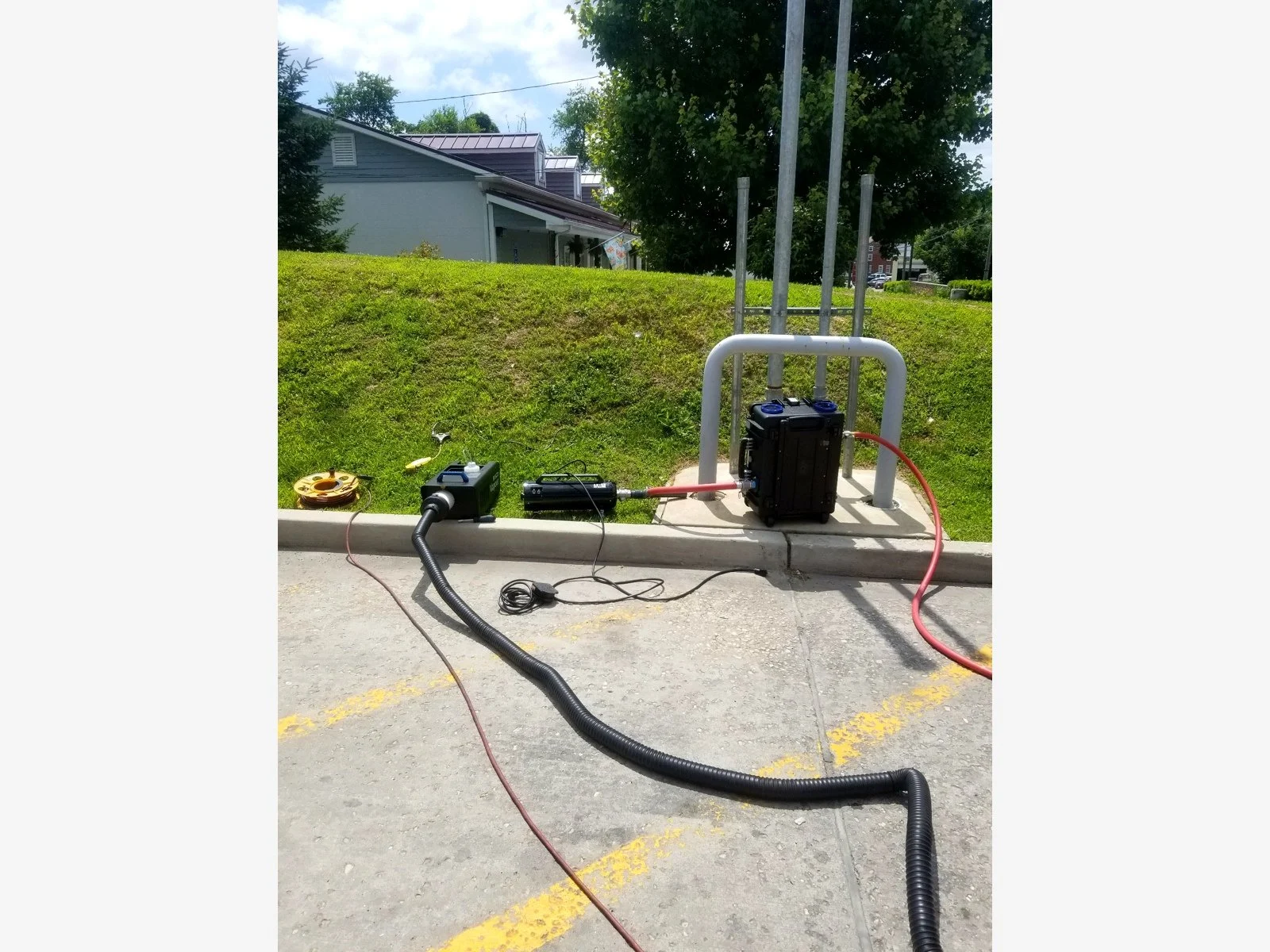
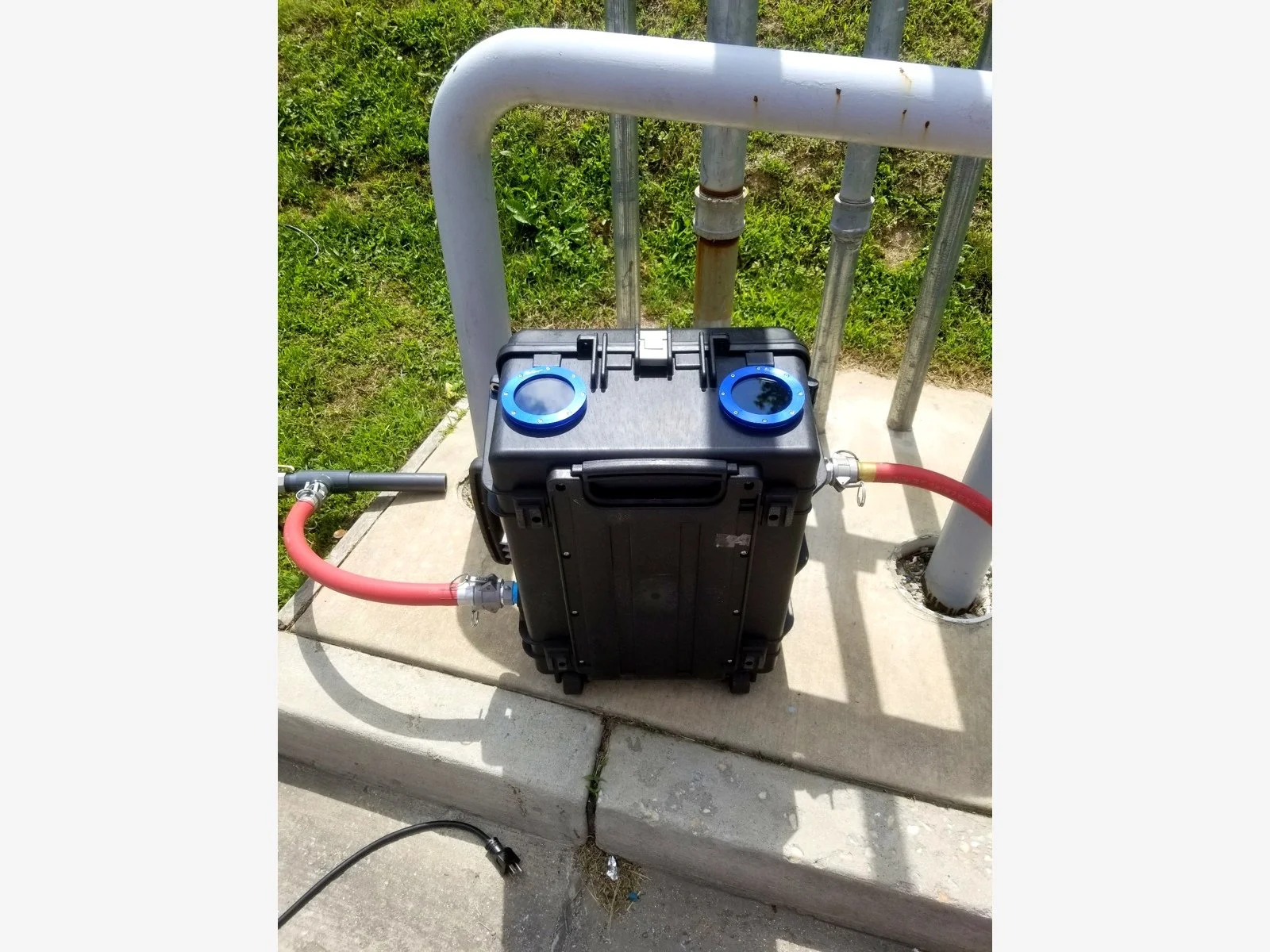
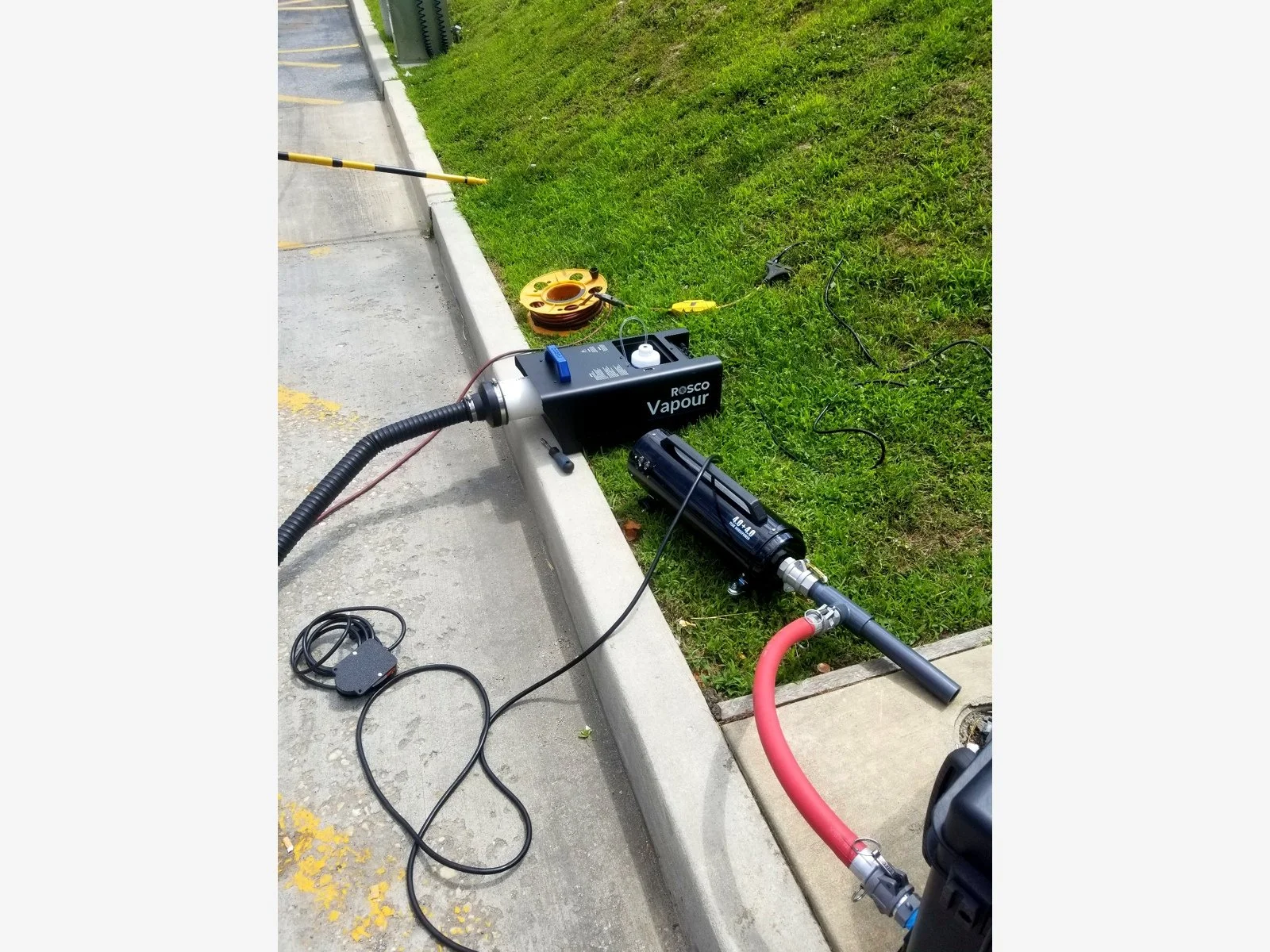
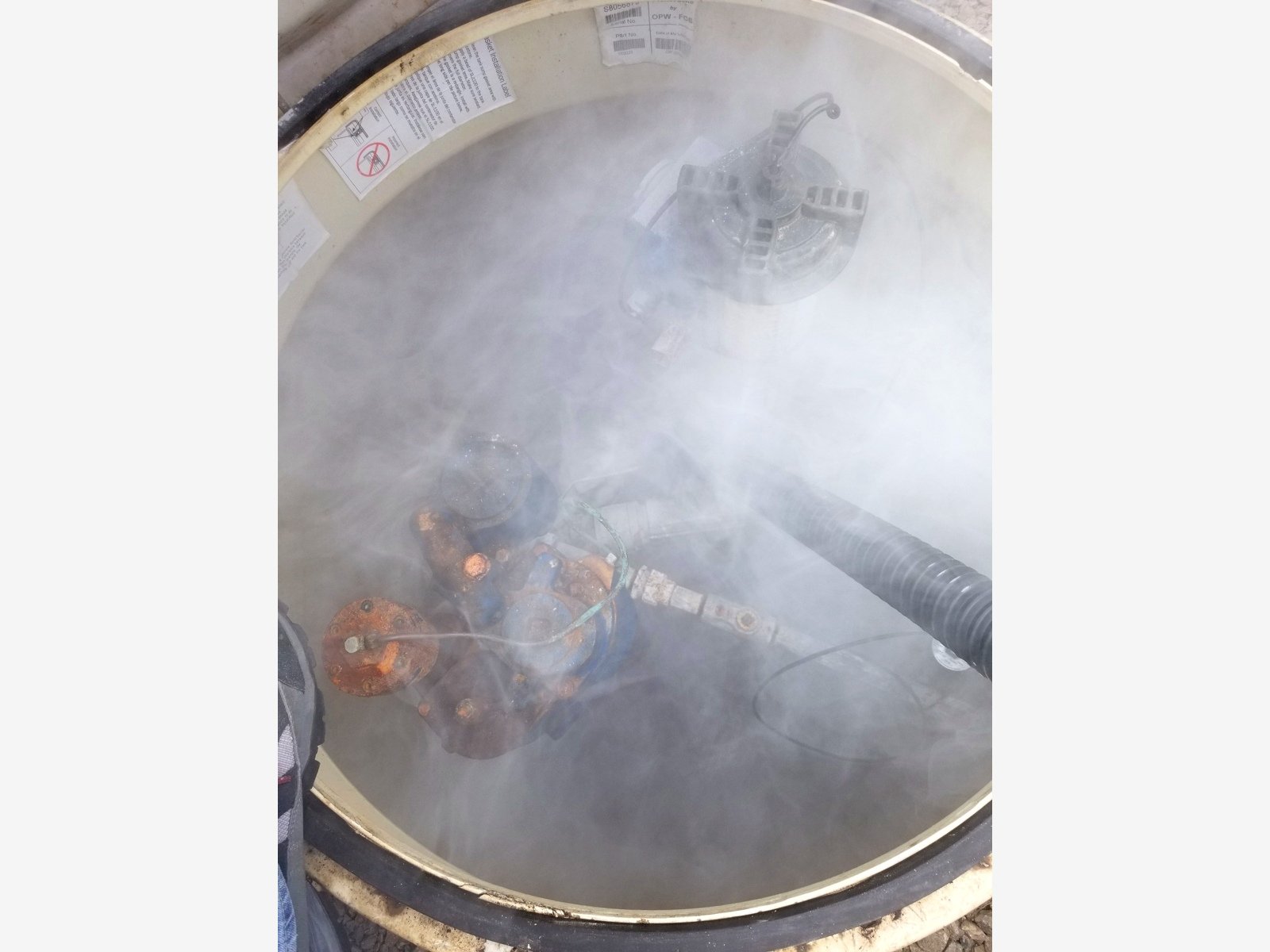
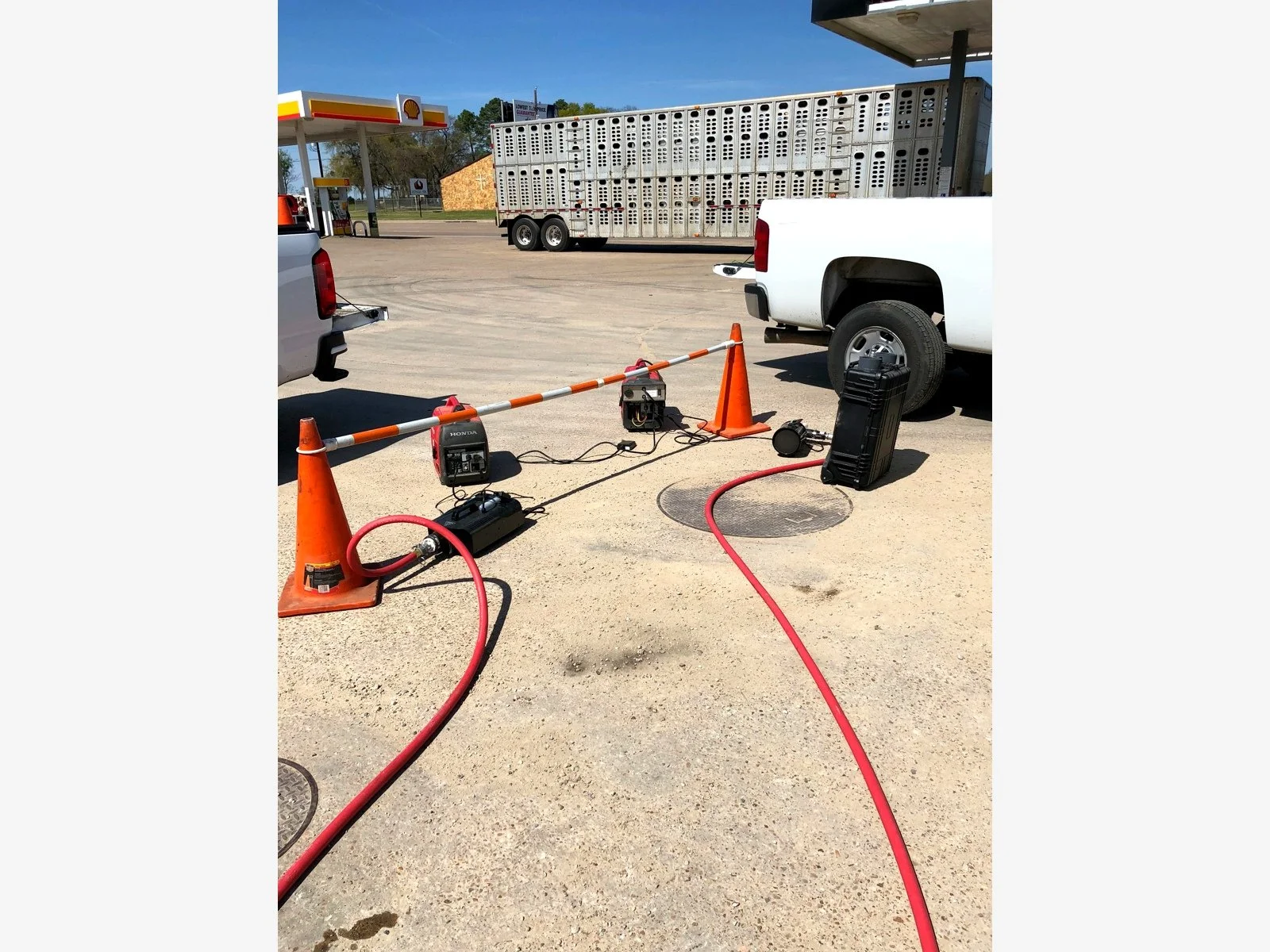
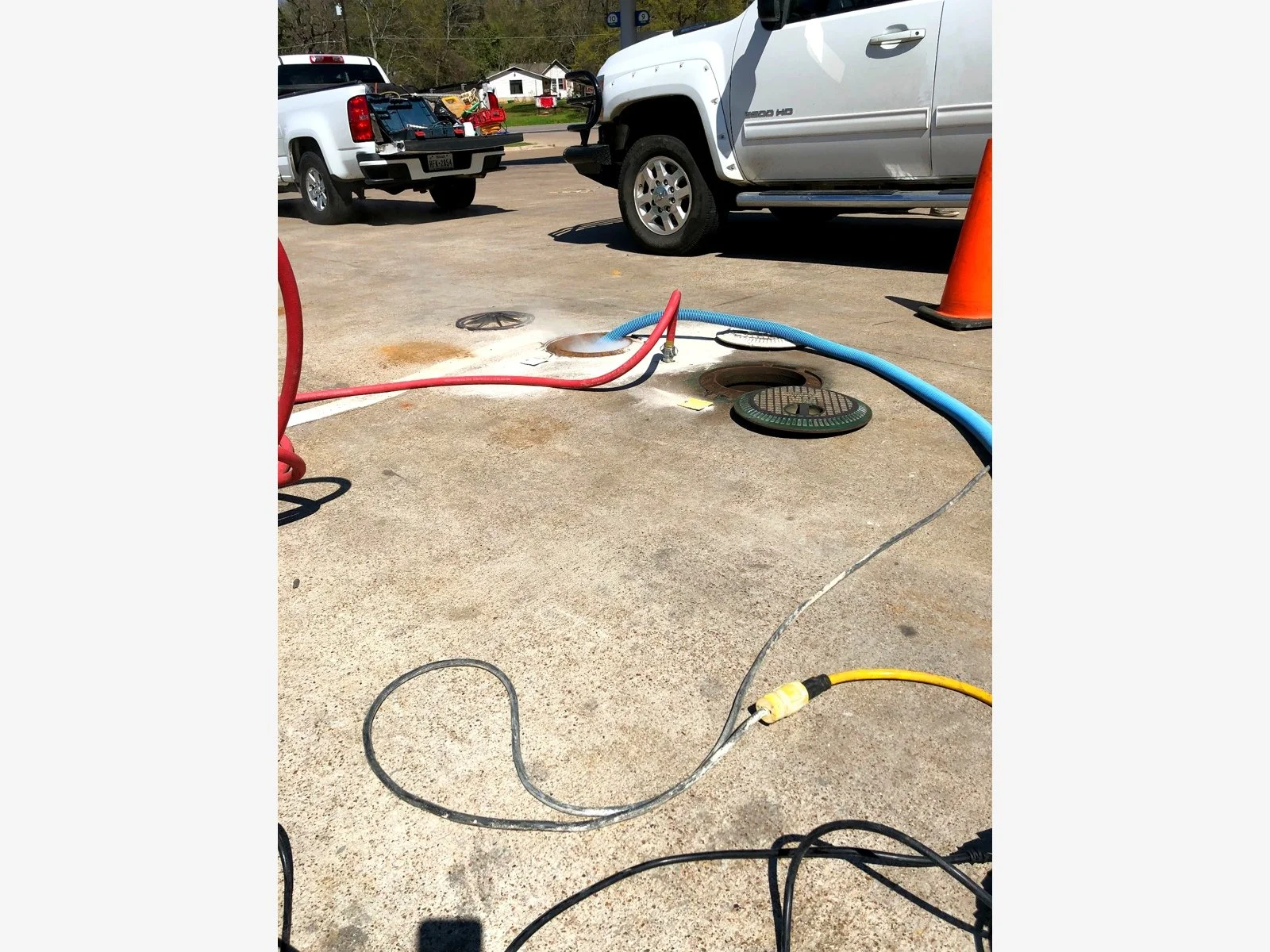
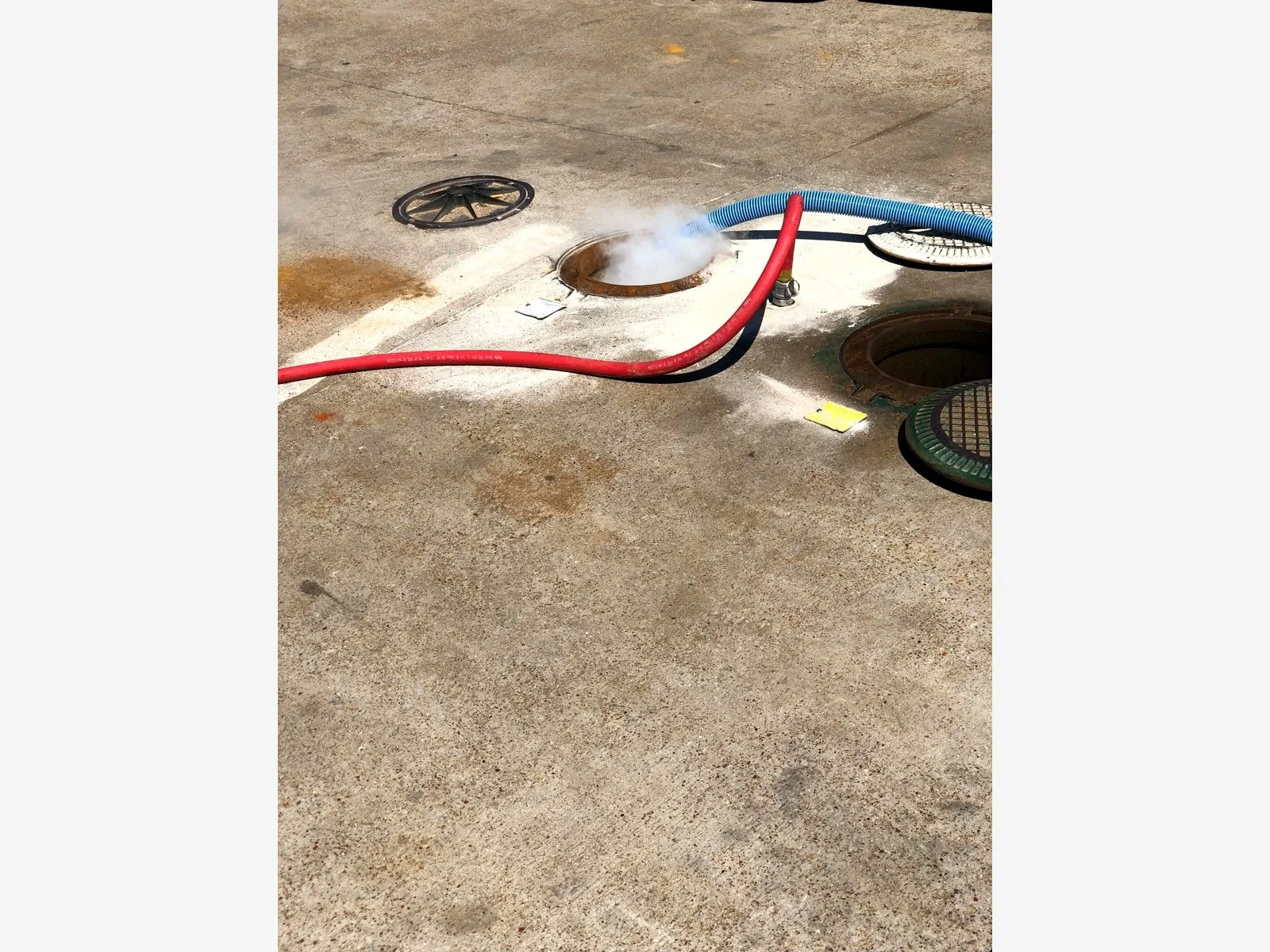
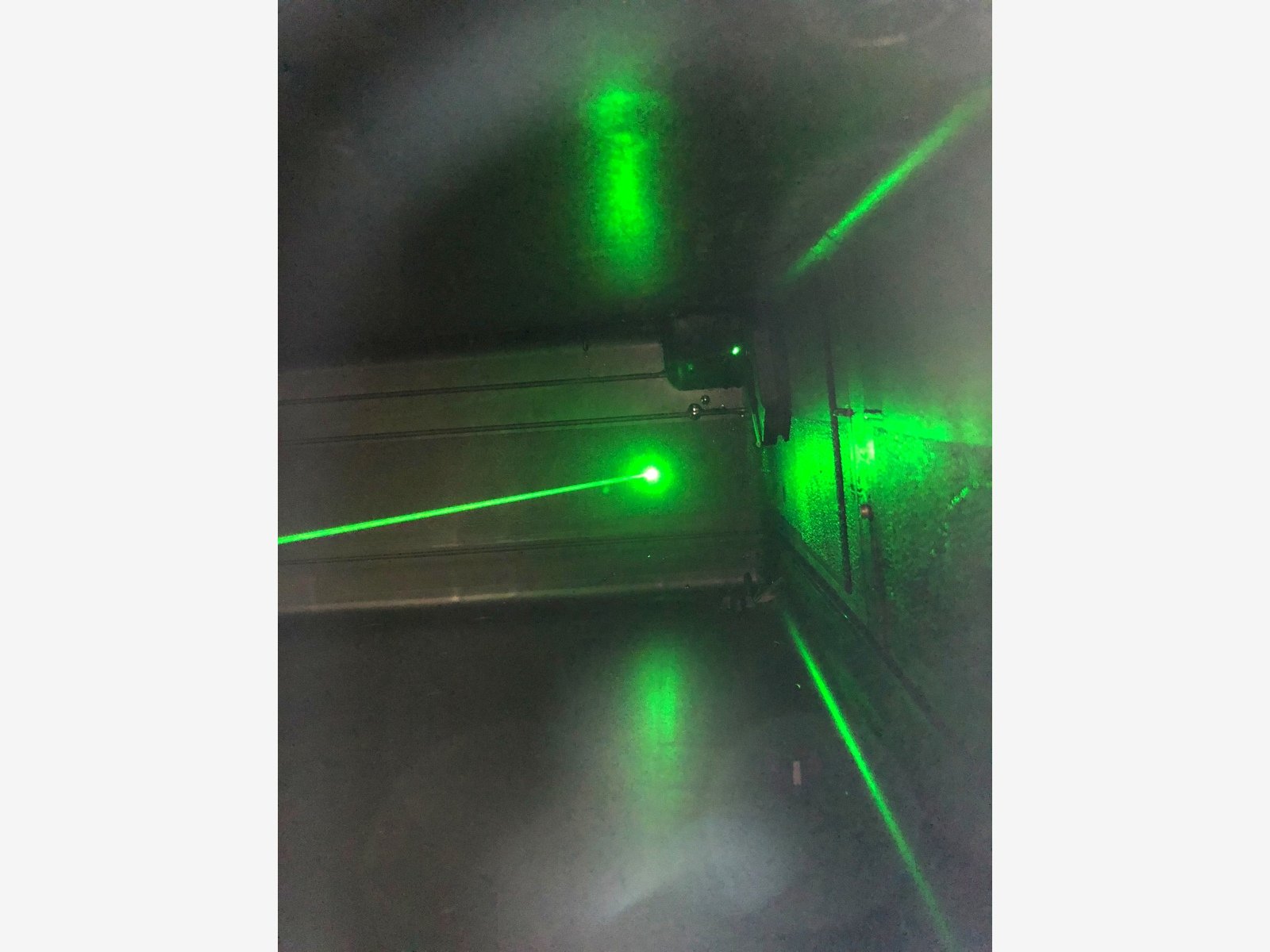
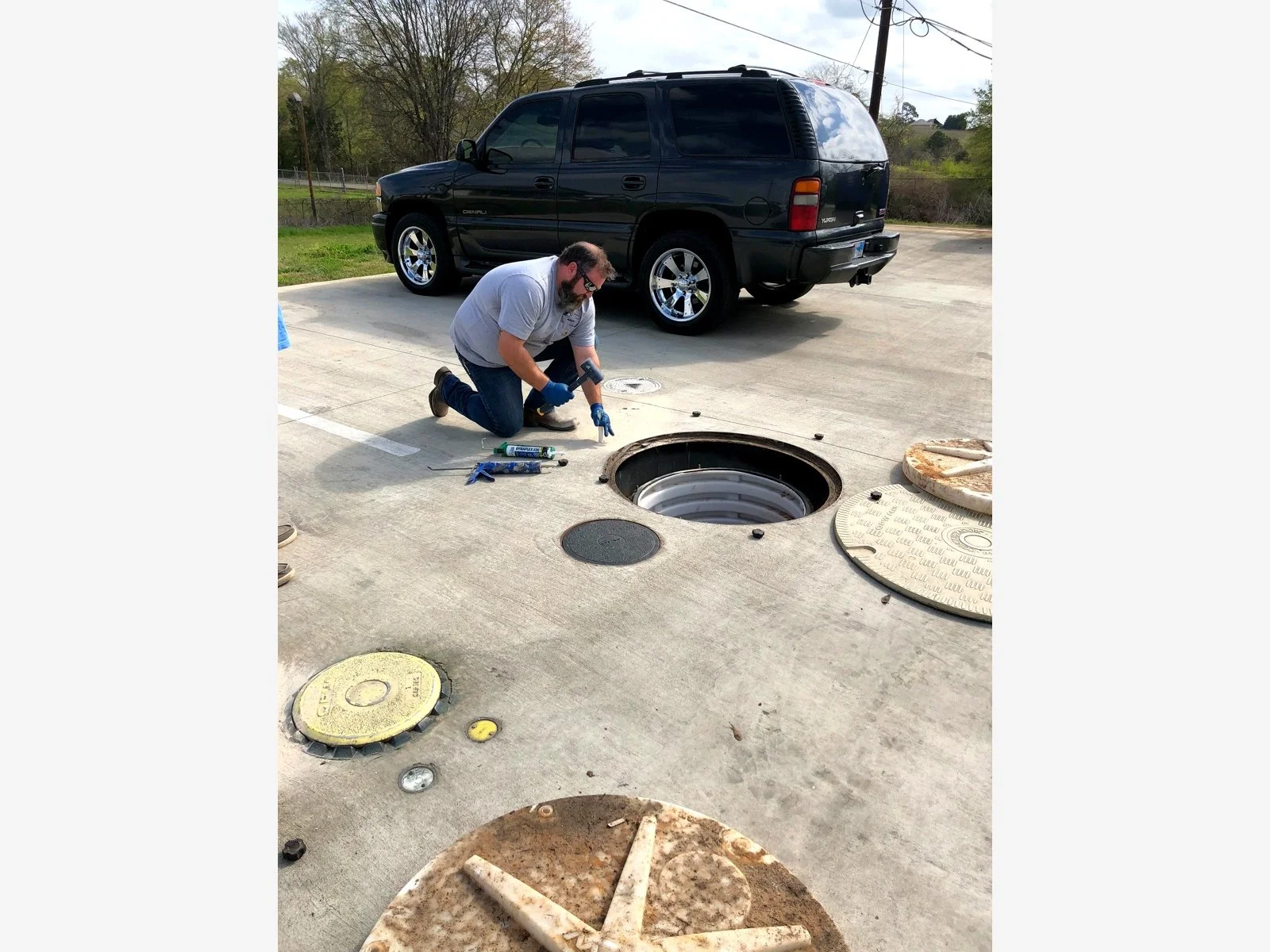
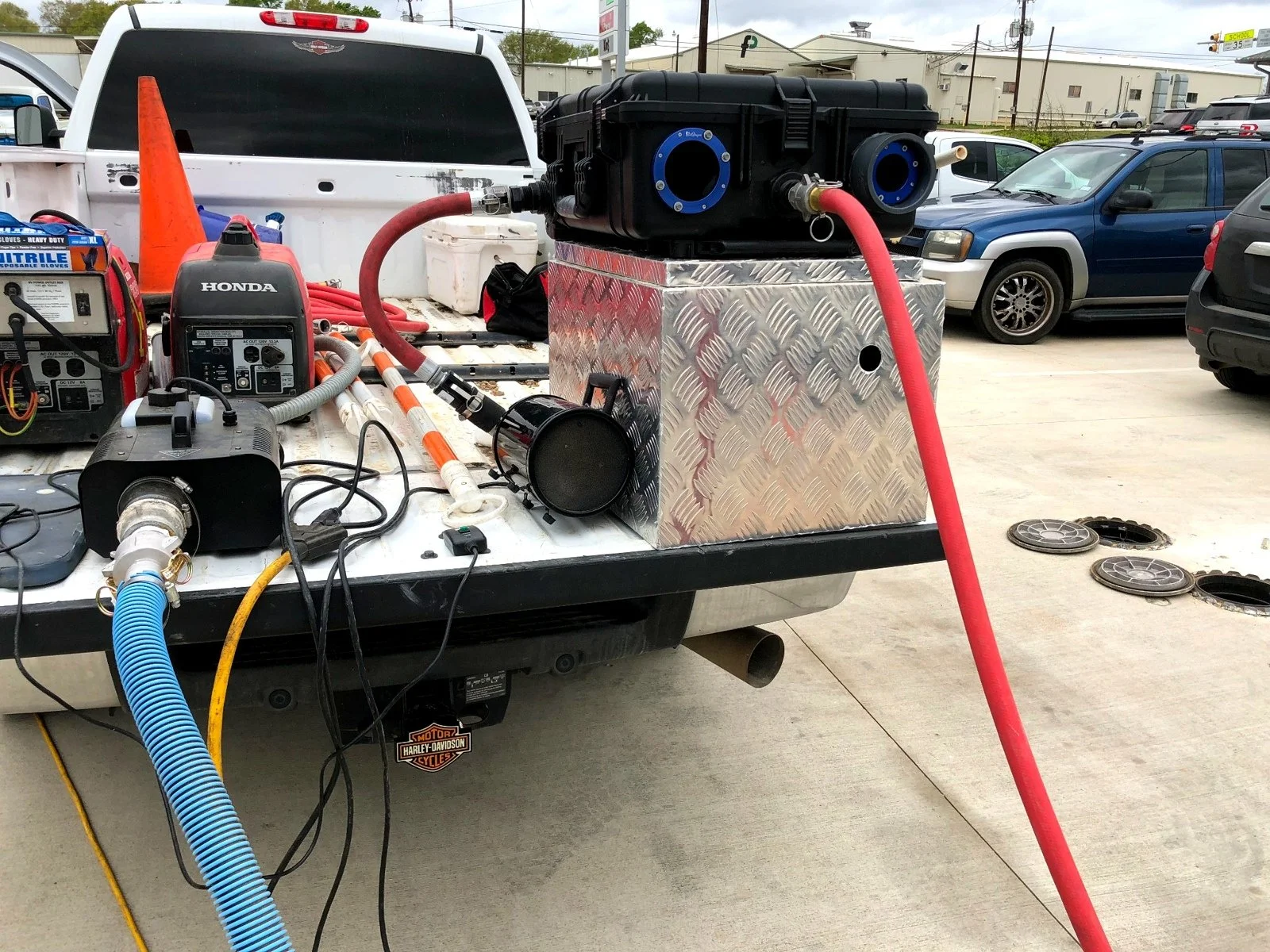
After five years of painstaking research and development, Danny’s breakthrough was ready to unveil: Dri-sump® clean vacuum testing. An innovative new approach to containment testing, Dri-sump used zero water, generated no waste, took just minutes to set up, and delivered precise digital results in about 60 seconds. Because it used a heavy aerosol instead of liquid, Dri-sump was also effective in freezing temperatures and varied groundwater conditions.


Insistent on objective validation of this game-changing new, patented technology, Danny had Dri-sump® independently evaluated by Ken Wilcox Associates (KWA) and the National Work Group on Leak Detection Evaluations (NWGLDE). Within 100 days after this third-party approval, 42 U.S. states accepted Dri-sump for containment testing to demonstrate EPA compliance. Today, Dri-sump is accepted across the U.S. and internationally, and some of the largest testing companies, fuel retailers, fleet operators, and other companies worldwide are enthusiastic Dri-sump users.
Dri-sump has an elite pedigree like no other, with multiple patents, rigorous industry evaluations, peer reviews, and global acceptance. Combining digital lasers, food-grade aerosol that dissipates harmlessly in minutes, and equipment small enough to fit in a suitcase, this clean, simple solution represents a major leap forward in testing technology. Today, in addition to helping more sites and companies around the world take advantage of this new, better approach to containment testing, the Dri-sump team continues to explore new ideas, driven by a relentless passion to innovate for the good of its customers, the industry, and the world.


Danny Brevard
Founder and President
In more than 35 years of scientific and entrepreneurial endeavors, Danny has developed innovative technologies, built successful companies, and completed large-scale projects across the globe. A professional geoscientist, he holds multiple advanced degrees and is experienced in mathematics, chemistry, and physics. Danny is an active member of the Petroleum Equipment Institute and sits on both the RP1200 and RP1700 committees. Not only has he published numerous reports, papers, articles, and training materials, but he is also a highly sought expert witness in leak detection forensics. In addition to developing and owning the patents for all Dri-sump® technology, Danny is a Texas EnviroMentor who has donated many hours to serve the people of Texas. In his free time, Danny and his wife, Shana, enjoy their small ranch, RVing, hunting, and spending quality time with their dogs and grandchildren.

Eric Brevard
Vice President
Eric’s career spans more than two decades in computer science, programming, and finance. His knowledge and experience were forged through years of active involvement in field work, digital design and technology development in the leak detection industry. Eric has been active in the specialties of statistical inventory analysis design and investigative interpretation of soil gas and vapor for many years. Today he plays a lead role in both the ongoing innovation of Dri-sump® technology and company leadership as Dri-sump continues to expand globally. In his free time, Eric is a consummate gamer and loves spending time in the outdoors with his wife, Valerie, and his daughter Felicity.

Adam Craig
Chief Operations Officer
Building on more than a decade of professional experience in leak detection and compliance, Adam currently serves as the lead trainer supporting testers, tank owners, and others as they adopt Dri-sump® technology and methodology. He also provides industry education in topics related to statistical inventory control. Throughout his career, Adam has completed projects across the U.S., and he has personally tested thousands of underground storage tank (UST) systems. His vast and detailed working knowledge of compliance, leak detection forensics, and corrosion control makes him uniquely effective as an instructor and consultant to help clients optimize operations while ensuring compliance. In his free time, Adam and his wife, Heidi, enjoy traveling, camping, hunting, and spending time with their children Elliot and Adelin.
Dri-sump was created as a direct response to the EPA’s 2015 Underground Storage Tank (UST) rule revisions.
When the EPA finalized the updated UST regulations in 2015, the petroleum equipment industry faced one of the largest operational changes in decades. For the first time, recurring testing requirements for containment sumps and spill buckets became mandatory nationwide under 40 CFR Part 280.
Although the regulations were introduced in 2015, compliance deadlines began taking effect in late 2018, with widespread industry implementation accelerating throughout 2019.
As contractors and operators prepared for the new requirements, a major problem quickly became clear: traditional hydrostatic testing methods would require enormous amounts of water, labor, cleanup, disposal costs, and operational downtime across the United States.
Industry estimates projected that nationwide hydrostatic testing could consume approximately 120 million gallons of water while generating an estimated $245 million in contaminated water handling and disposal costs.
Dri-sump was developed as an answer to that challenge.
The goal was to create an easier, faster, and more environmentally friendly method of sump testing, one designed to reduce water usage, minimize cleanup, simplify compliance, improve operational efficiency, and modernize containment testing for the petroleum equipment industry.
Instead of relying on outdated water-intensive testing procedures, Dri-sump introduced a dry testing technology specifically engineered for the modern regulatory environment created by the EPA’s revised UST requirements.
What followed was over five years of research and development, third-party testing, engineering refinement, field evaluation, and collaboration with Ken Wilcox Associates, Inc. and the National Work Group on Leak Detection Evaluations (NWGLDE) to help ensure the system delivered reliable, repeatable, and professional real-world performance.
Today, Dri-sump represents more than a testing system. It represents a shift toward smarter, cleaner, faster, and more sustainable containment testing.
In 2015, the EPA revised the federal underground storage tank regulations for the first time in decades.
The revised regulations required periodic testing of:
Containment sumps
Spill buckets
Overfill prevention equipment
Facilities operating UST systems installed before October 13, 2015 were required to begin compliance testing by October 13, 2018.
This dramatically increased the amount of containment testing that would need to be performed across the United States.
For the industry, this created a logistical and environmental problem few had fully considered.
Traditional hydrostatic testing methods required filling containment areas with water to verify integrity. Across hundreds of thousands of fuel system components nationwide, the amount of water required became staggering.
As the industry evaluated the impact of the EPA rule revisions, it became clear that hydrostatic testing on a national scale would consume massive amounts of water.
Industry estimates based on EPA cost analysis data projected that testing the nation’s approximately 550,000 underground fuel storage tanks and associated containment systems would require roughly: 120 million gallons of water
Additionally, the estimated cost to properly manage and dispose of the contaminated testing water was projected at approximately: $245 million
This was not simply a cost issue.
Once water is introduced into petroleum containment systems during hydrostatic testing, that water becomes contaminated and requires controlled disposal procedures. The process added:
Significant disposal costs
Additional labor
Environmental handling concerns
Increased operational downtime
Cleanup complexity
Transportation and disposal logistics
The industry suddenly faced an uncomfortable question.
Why use massive amounts of clean water to identify leaks in systems designed to prevent environmental contamination? This is especially concerning since it contaminates the very water we're trying to protect.
This question became one of the driving forces behind the creation of Dri-sump.
Dri-sump was developed to eliminate many of the inefficiencies and environmental burdens associated with traditional hydrostatic testing.
The goal was not simply to improve testing speed.
The goal was to rethink the testing process itself.
From the beginning, Dri-sump was engineered around several core principles:
Eliminate water usage
Simplify compliance testing
Improve uptime for the customer
Eliminate cleanup
Simplify testing procedures
Simplify testing equipment and smaller footprint
Eliminate environmental impact
The development team recognized that the 2015 EPA revisions would permanently change the containment testing landscape. Contractors and facility operators needed a solution designed specifically for this new regulatory environment.
Dri-sump became that solution.
Before commercial release, Dri-sump underwent more than five years of research, engineering refinement, field testing, and operational development.
This extensive development period allowed the system to evolve through:
Real-world contractor feedback
Engineering improvements
Workflow optimization
Repeatability testing
Environmental evaluations
Field usability studies
Independent third-party testing
Every aspect of the system was refined with practical field use in mind.
The objective was never to create a theoretical laboratory product. The objective was to develop a reliable, repeatable, field-ready testing system capable of helping the industry adapt to the new EPA compliance requirements efficiently and professionally.
Independent third-party testing became a critical part of Dri-sump’s development process.
The development team understood that industry adoption would require more than innovation alone. It required measurable performance, repeatability, and technical credibility.
Throughout development, the system underwent evaluations designed to verify:
Reliability
Repeatability
Consistency
Operational effectiveness
Field usability
Performance accuracy
This validation process helped refine both the technology and the testing methodologies used in the field.
Dri-sump received its third-party certification from Ken Wilcox Associates, Inc., in December 2018.
The result was a system engineered not only for efficiency but also for dependable real-world performance.
One of the most important milestones in Dri-sump’s development was working with the National Work Group on Leak Detection Evaluations (NWGLDE).
The NWGLDE is a nationally recognized organization that evaluates leak detection technologies and testing methodologies used within the petroleum equipment industry.
Participation in the NWGLDE evaluation process required:
Technical documentation
Methodology review
Repeatability evaluations
Performance analysis
Testing standard review
Operational validation
This collaboration further strengthened Dri-sump’s technical credibility and reinforced its commitment to professional industry standards.
The process also helped demonstrate that Dri-sump was not simply a marketing concept, but a professionally developed testing technology designed to support the evolving regulatory environment created by the EPA’s 2015 rule revisions.
As the technology evolved, so did the Dri-sump brand.
The company intentionally developed a visual identity that reflected the same principles behind the system:
Innovation
Simplicity
Professionalism
Efficiency
Modernization
The branding was designed to stand apart from traditional industrial marketing styles commonly seen throughout the petroleum equipment industry.
Over time, the Dri-sump logo and visual identity evolved to support:
Stronger recognition
Cleaner digital presentation
Better advertising visibility
Modernized industry perception
The brand became associated not only with containment testing technology, but with modernization itself.
Dri-sump's Original logo
Dri-sump’s Current Logo
From the beginning, Dri-sump advertising focused on educating the industry about the operational and environmental problems associated with traditional hydrostatic testing.
Rather than relying solely on technical specifications, campaigns emphasized practical real-world benefits:
Reduced water use
Faster testing
Less cleanup
Lower disposal costs
Simplified compliance
Improved operational efficiency
As digital marketing expanded, Dri-sump developed:
Educational campaigns
Banner advertising
Native advertising
Demonstration videos
Industry articles
Training content
Trade show marketing and sponsorships
The advertising strategy consistently centered around one core message:
Testing should solve problems, not create more of them.
As Dri-sump continued to educate the industry, that message began appearing in respected petroleum equipment and fuel-marketing publications.
These articles helped document the same story that shaped Dri-sump from the beginning: the need for a faster, cleaner, more practical way to test containment sumps and spill buckets without creating unnecessary water use, waste, cleanup, or downtime.
In the First Quarter 2025 issue of PEI Journal, Dri-sump was featured in a PEI Member Profile titled “ACCENT Environmental Services, Inc. dba Dri-sump® is User Friendly.”
The PEI profile told the broader ACCENT story, beginning with Danny Brevard starting ACCENT in 1983 and later moving into subsurface investigation, groundwater projects, leak detection forensics, vapor monitoring, and compliance programs for tank owners and operators.
The article also described how ACCENT evolved into a company focused on supporting and manufacturing the leak detection systems developed by Danny Brevard and his sons, including Gas System, SIRmadeSimple, PSTData.com, and Dri-sump.
For Dri-sump, the PEI profile marked an important industry recognition point. The article identified Dri-sump as the cornerstone of the business and highlighted the company’s role in manufacturing and maintaining Dri-sump test equipment, supporting contractors and testing companies, and providing training, certification, and technical consultation.
The article also reinforced Dri-sump’s core field advantages: no water, zero waste, and a certified test in 60 seconds.
Later in 2025, Dri-sump’s industry education efforts continued in Fuel Market News Magazine with Eric Brevard’s article, “Underground Storage Tank Testing.”
The Fuel Market News article focused on the future of sump testing and the need for better procedures, better technician training, better documentation, and more repeatable testing methods.
It also addressed one of the major issues Dri-sump was created to help solve: inconsistency in the field. Even when testing is performed on schedule, different technician interpretations, changing site conditions, equipment variability, and inconsistent documentation can create unnecessary risk.
In that broader discussion, Dri-sump was presented as part of a more modern testing approach: a technician-operated vacuum test system designed to produce consistent results without requiring site shutdown or water use.
Together, the PEI Member Profile and FMN article became part of Dri-sump’s public history. PEI helped document the company’s growth and industry role, while FMN gave Dri-sump a platform to help educate the industry about better testing practices.
Both articles reinforced the same idea that has guided Dri-sump from the beginning:
Containment testing should be reliable, repeatable, environmentally responsible, and practical for the people doing the work in the field.
In 2024, the Petroleum Equipment Institute released the latest edition of RP1200: PEI/RP1200-24
The updated recommended practice further reflected the industry’s continued movement toward modernized containment testing, operational efficiency, and improved compliance procedures.
The RP1200-24 committee included Danny Brevard as part of the PEI Overfill, Release Detection and Release Prevention Equipment Testing Committee.
This milestone reinforced Dri-sump’s role not only as an innovative testing technology, but as part of the broader industry conversation shaping the future of containment testing standards and best practices.
Today, Dri-sump continues to evolve through:
Ongoing product refinement
Industry engagement
Field feedback
Workflow analysis
Educational outreach
The mission remains the same as it was at the beginning:
Provide the petroleum equipment industry with smarter, cleaner, and more efficient containment testing solutions designed for the modern regulatory environment.
The history of Dri-sump is rooted in one defining moment: the EPA’s 2015 UST rule revisions fundamentally changed the future of containment testing.
Faced with the environmental, operational, and financial burdens of large-scale hydrostatic testing, Dri-sump was created to offer the industry a better path forward.
Through five years of research and development, independent third-party testing, collaboration with the NWGLDE, and continued innovation, Dri-sump evolved into a technology focused on modernization, efficiency, and environmental responsibility.
What began as an answer to a regulatory challenge became a broader effort to improve the future of sump testing itself.


Want to learn more about Dri-sump?
If you’re intrigued by the idea of a faster, simpler, cleaner approach to containment testing, it’s easy to take the next step. Contact us today to learn more—including how easy it is to get started!